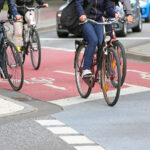
Bicycling can be dangerous, especially on high-traffic urban roads. In 2024, Pennsylvania recorded 1,271 crashes involving bicycles and motor vehicles, resulting in 19 fatalities and 1,255 injuries, according to the state’s Crash Facts and Statistics Report.
While these figures focus on cyclists, similar risks extend to pedestrian accidents, which also rise in areas lacking safe, protected infrastructure.
More than half of these collisions occurred on state roads, where current laws prohibit the use of parking-protected bike lanes. However, proposed legislation may soon change that, potentially improving safety for thousands of riders.
What Are Parking-Protected Bike Lanes?
Bikeways can take many forms, each balancing cyclist safety with the flow of vehicle traffic. The goal of every design is to provide safer, more predictable interactions between drivers and riders.
Common types include:
- Multi-use trails: These paths exclude motor vehicles and are open only to pedestrians, cyclists, and other non-motorized users such as scooters.
- Sharrows: Shared lanes where bicycles and vehicles use the same space, typically marked with symbols and lower speed limits to minimize collisions.
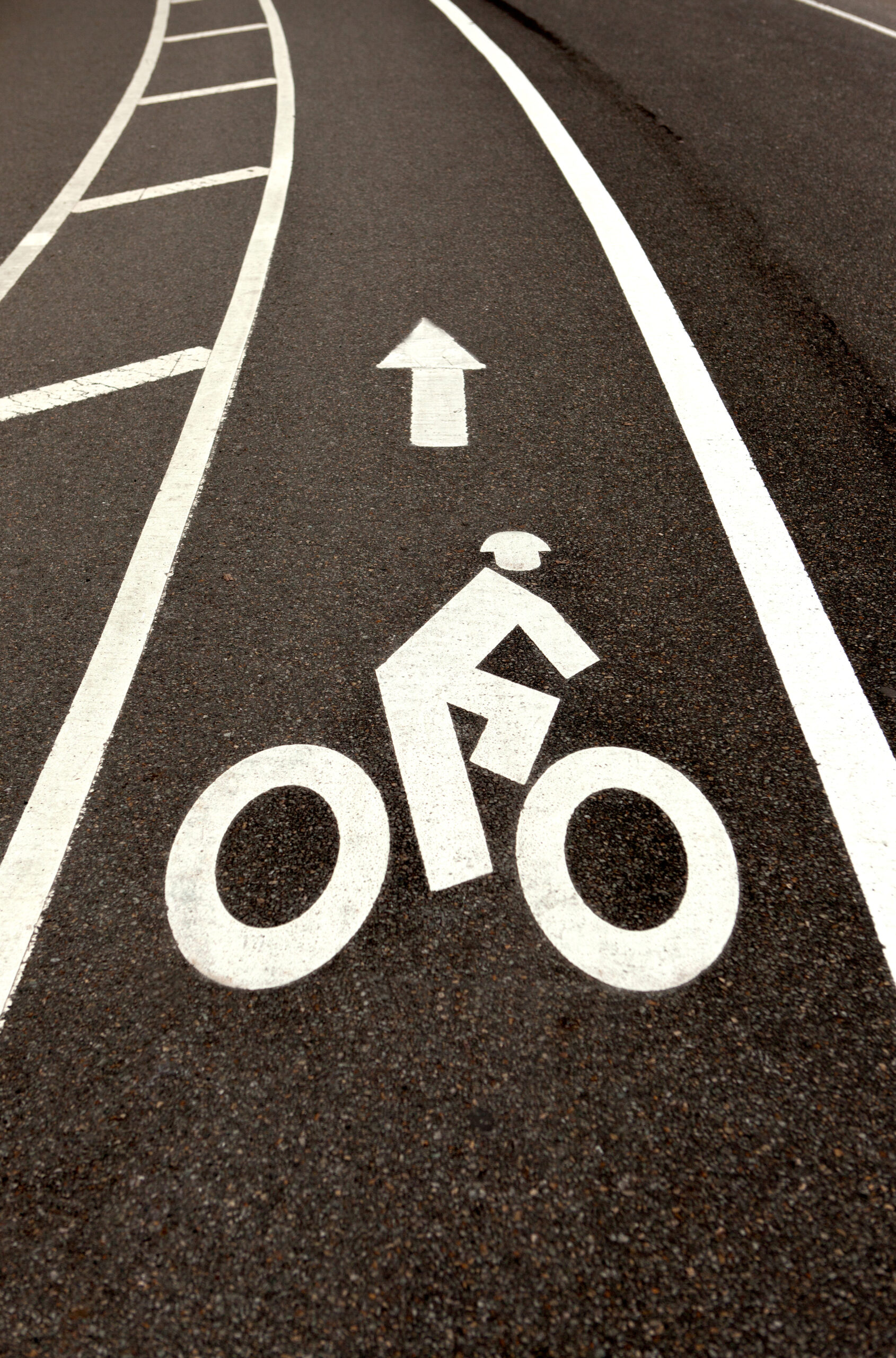
- Standard bike lanes: Painted lanes that separate cyclists from vehicles but lack any physical barrier.
- Protected bike lanes: Physically separated with posts, bollards, or curbs to prevent vehicles from entering the bike lane.
- Parking-protected bike lanes: Use parked vehicles as a buffer between cyclists and moving traffic. Drivers park to the left of the bike lane, which shields cyclists from traffic and reduces the risk of “dooring” incidents when vehicle doors open.
Parking-protected bike lanes are an affordable, effective alternative to more expensive protected lane designs—offering meaningful safety benefits with minimal infrastructure changes.
By turning parked cars into safety buffers, parking-protected bike lanes can help reduce collisions and make cycling in cities more comfortable and secure.
Pennsylvania’s Current Legislation
While several U.S. cities already use parking-protected bike lanes, Pennsylvania law currently restricts them on state-owned roads. Existing design regulations require that parking spaces be located directly adjacent to the curb, leaving no room for a bike lane between parked cars and the sidewalk.
To modernize these outdated rules, House Bill 291 was introduced in early 2025. The bill passed the Pennsylvania House of Representatives in February and moved to the Senate as Senate Bill 824. If enacted, this law would allow parking-protected bike lanes on state-owned roads, giving engineers and planners more flexibility in designing safer infrastructure.
Support for the bill has been bipartisan, reflecting a growing consensus that better bike infrastructure benefits not only cyclists but also motorists and pedestrians by creating clearer, safer roadway separation.
Anticipated Benefits of the New Law in Pennsylvania
The passage of Senate Bill 824 could have a major impact on bicycle safety and urban mobility throughout the state. Once implemented, the law is expected to yield several key benefits:
- Enhanced safety: By physically separating cyclists from moving traffic, parking-protected lanes can reduce the likelihood of collisions.
- Fewer “dooring” incidents: Drivers open their doors away from the bike lane, protecting cyclists from sudden obstructions.
- Greater comfort for riders: The physical buffer encourages more people to bike, especially commuters who might otherwise avoid busy roads.
- Lower implementation costs: These lanes use existing parking layouts and require minimal construction, making them a cost-effective safety measure.
- Environmental and traffic benefits: Encouraging cycling helps reduce emissions, congestion, and wear on roadways.
If passed, this legislation will not only protect cyclists but also promote cleaner, safer, and more efficient cities across Pennsylvania.
Protecting Bicyclists in Pennsylvania
Even before state-level approval, several local governments have already adopted parking-protected bike lanes on city-owned streets. Cities like Philadelphia and Pittsburgh have implemented pilot programs demonstrating the design’s success in reducing crash rates and improving rider comfort.
These local examples highlight the potential for statewide expansion once the law passes. With both legislative support and public demand growing, Pennsylvania could soon see more consistent, connected, and safer bike infrastructure across its urban centers.
In addition to infrastructure changes, continued efforts to educate drivers and cyclists, enforce traffic laws, and fund local projects will further strengthen Pennsylvania’s commitment to bicycle safety.
 People Powered Movement
1705 DeSales Street, NW
Washington D.C. 20036
People Powered Movement
1705 DeSales Street, NW
Washington D.C. 20036