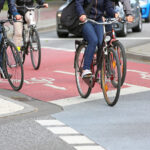
Bicycle accidents are a serious problem in Columbus, GA. According to statistics from the Georgia Department of Transportation (GDOT), the city had between 24 and 28 bicycle accidents in eight of the past ten years.
To address this problem, the city has gathered data about how and where vehicles collide with bicycles. This data gives policymakers and law enforcement officials information that will help them implement countermeasures to reduce or eliminate bicycle crash hotspots.
Columbus Bicycle Crash Data
When a motor vehicle driver hits a cyclist, the driver must stop at the scene of the incident. They must then contact the police if the crash caused death, injury, or property damage. The police will prepare an accident report describing what happened.
GDOT aggregates statewide crash data. Crash victims use these reports to prepare their injury claims. Policymakers also use the information from crash reports to develop public safety plans.
Key Trends from Columbus Bicycle Crash Reports
In 2024, Columbus had 28 bicycle accidents. These collisions between motor vehicles and bicycles caused one death and 14 nonfatal injuries.
The data from 2014 through 2024 provides the following helpful information about bicycle crashes in Columbus:
- 78% of cyclists involved in crashes didn’t wear helmets.
- Over 35% resulted from confirmed or suspected distracted driving.
- 25% were hit-and-run collisions.
GDOT also uses crash reports to map the locations of bike collisions. When a particular area experiences multiple crashes, transportation planners can examine this hotspot and develop countermeasures.
Some Crash Hotspots In Columbus
Known high-crash areas include:
- Cussetta Rd. and 23rd Ave.
- 10th St. and Broadway Ave.
- Front Ave. and Dillingham St.
- College Dr. and University Ave.
These intersections, among many others, have experienced multiple bicycle crashes within the past decade.
What Are Common Causes of Bicycle Accidents?
Other crashes may have resulted from a combination of factors, such as traffic congestion and a lack of bike lanes. According to the GDOT dashboard, the following violations caused most bicycle collisions:
- Failing to yield the right of way
- Disobeying stop signs
- Inattentive or distracted driving
- Changing lanes unsafely
- Tailgating
- Riding on the wrong side of the road
Notably, both drivers and cyclists committed errors that led to crashes. Thus, any countermeasures should account for risky behaviors by both parties.
Countermeasures For Bicycle Collisions
Columbus and Phenix City used GDOT data and comments from residents to prepare a Metropolitan Transportation Plan (MTP). This plan identifies potential problems facing cyclists and outlines the countermeasures that local officials plan to implement to address them.
According to the MTP, Columbus has just shy of six miles of bike lanes across central Columbus. Worse yet, these bike lanes are unprotected and disconnected from each other.
Unprotected bike lanes are identified by pavement markings and signs. However, they have no barriers to separate cyclists from vehicles. Many of the city’s roads also lack sidewalks, forcing cyclists and pedestrians into the same space as cars and trucks.
Columbus has budgeted a portion of revenue from a sales tax increase to build bike and pedestrian-friendly infrastructure. Planned projects include University Avenue, Buena Vista Road, Andrews Road, Steam Mill Road, Whitesville Road, Brennan Road, and South Lumpkin Road.
A Sound Process For Protecting Bicyclists
Other cities can use the process implemented by Columbus. City leaders can use data to identify the locations and causes of bicycle accidents and then target improvements where they will protect the most riders.
 People Powered Movement
1705 DeSales Street, NW
Washington D.C. 20036
People Powered Movement
1705 DeSales Street, NW
Washington D.C. 20036