Cycling is an excellent way to stay active, reduce transportation costs, and enjoy the outdoors. Whether you ride for recreation, exercise, or your daily commute, every trip comes with some level of risk. According to the National Highway Traffic Safety Administration (NHTSA), hundreds of bicyclists are killed and tens of thousands are injured in traffic crashes each year in the United States.
Although you cannot control the actions of other drivers, you can take steps to reduce your risk of being involved in a serious bicycle accident. Here are some practical tips to help you stay safer on the road.
Wear a Properly Fitted Bicycle Helmet
A helmet is one of the most effective pieces of safety equipment a bicyclist can wear. While it cannot prevent every injury, it can significantly reduce the risk of serious head trauma in a crash.
Choose a helmet that fits snugly and sits level on your head. Replace your helmet after any significant impact or if it becomes damaged, even if you cannot see visible cracks.
Make Yourself Easy to See
Many bicycle accidents happen because motorists fail to notice cyclists until it is too late. Increasing your visibility can help drivers recognize your presence sooner.
Some simple ways to become more visible include:
- Wearing bright or reflective clothing
- Using a white front light and a red rear light when riding in low-light conditions
- Installing reflectors on your bicycle
- Using reflective tape on your helmet, pedals, or wheels
Improving your visibility can make it easier for drivers to react safely and avoid a collision.
Obey Bicycle Traffic Laws
Bicyclists are generally required to follow many of the same traffic laws as motorists. Obeying traffic signals, stopping at stop signs, and riding in the same direction as traffic helps create predictable movement that other road users can anticipate.
Following the rules of the road also reduces confusion at intersections, where many bicycle crashes occur.
Watch for Parked Vehicles
One of the most common bicycle accidents occurs when the driver of a parked vehicle suddenly opens a door into the cyclist’s path. This is often referred to as a “dooring” accident.
Whenever possible, leave enough space between your bicycle and parked cars to avoid an opening door. Watch for signs that someone may be preparing to exit a vehicle, such as illuminated brake lights or occupants inside.
Use Bike Lanes When Available
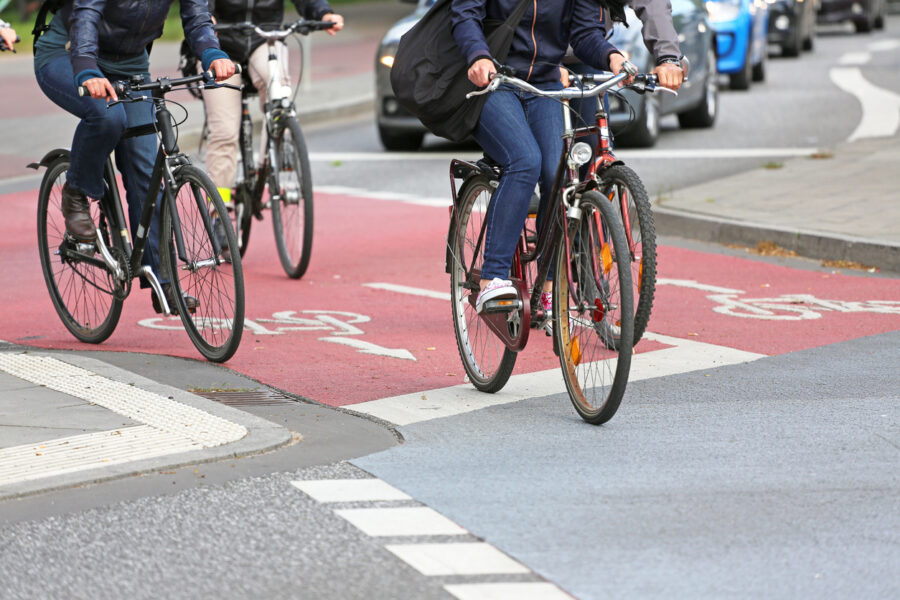
Many communities have designated bicycle lanes that provide additional space between cyclists and motor vehicle traffic.
Whenever practical, use marked bike lanes and shared-use paths designed for bicycles. However, continue to stay alert, as drivers may still enter bike lanes when turning or parking.
Ride Defensively
Never assume that drivers can see you or will always yield the right-of-way. Defensive riding means anticipating the unexpected and preparing for mistakes made by others.
Maintain a safe following distance, avoid riding in a vehicle’s blind spots for extended periods, and make eye contact with drivers whenever possible before crossing intersections or entering traffic.
Inspect Your Bicycle Before Every Ride
A well-maintained bicycle is an important part of staying safe. Mechanical problems can make it difficult to stop or maneuver when you need to avoid a hazard.
Before heading out, check that:
- Your brakes function properly
- Your tires are properly inflated
- Your chain is secure and lubricated
- Your lights and reflectors are working
- Your handlebars and seat are securely fastened
Performing a quick safety inspection only takes a few minutes and can help prevent avoidable accidents.
Know What to Do After a Bicycle Accident
Even the safest cyclists cannot eliminate every risk. If you are involved in a bicycle accident, your health should be your first priority.
If possible, move to a safe location, call 911, seek medical attention, and report the accident to law enforcement. If your injuries allow, gather photographs of the scene, obtain contact information from witnesses, and exchange information with the driver involved. Prompt medical treatment and thorough documentation can be important if questions arise about your injuries later.
Bicycle Safety Starts With Smart Habits
No safety measure can completely eliminate the risk of a bicycle accident, but following safe riding practices can significantly reduce your chances of being seriously injured. Wearing proper safety equipment, remaining visible, following traffic laws, maintaining your bicycle, and staying alert can all help make every ride safer.
Whether you ride every day or only occasionally, making bicycle safety a priority benefits both you and everyone else who shares the road.
 People Powered Movement
1705 DeSales Street, NW
Washington D.C. 20036
People Powered Movement
1705 DeSales Street, NW
Washington D.C. 20036