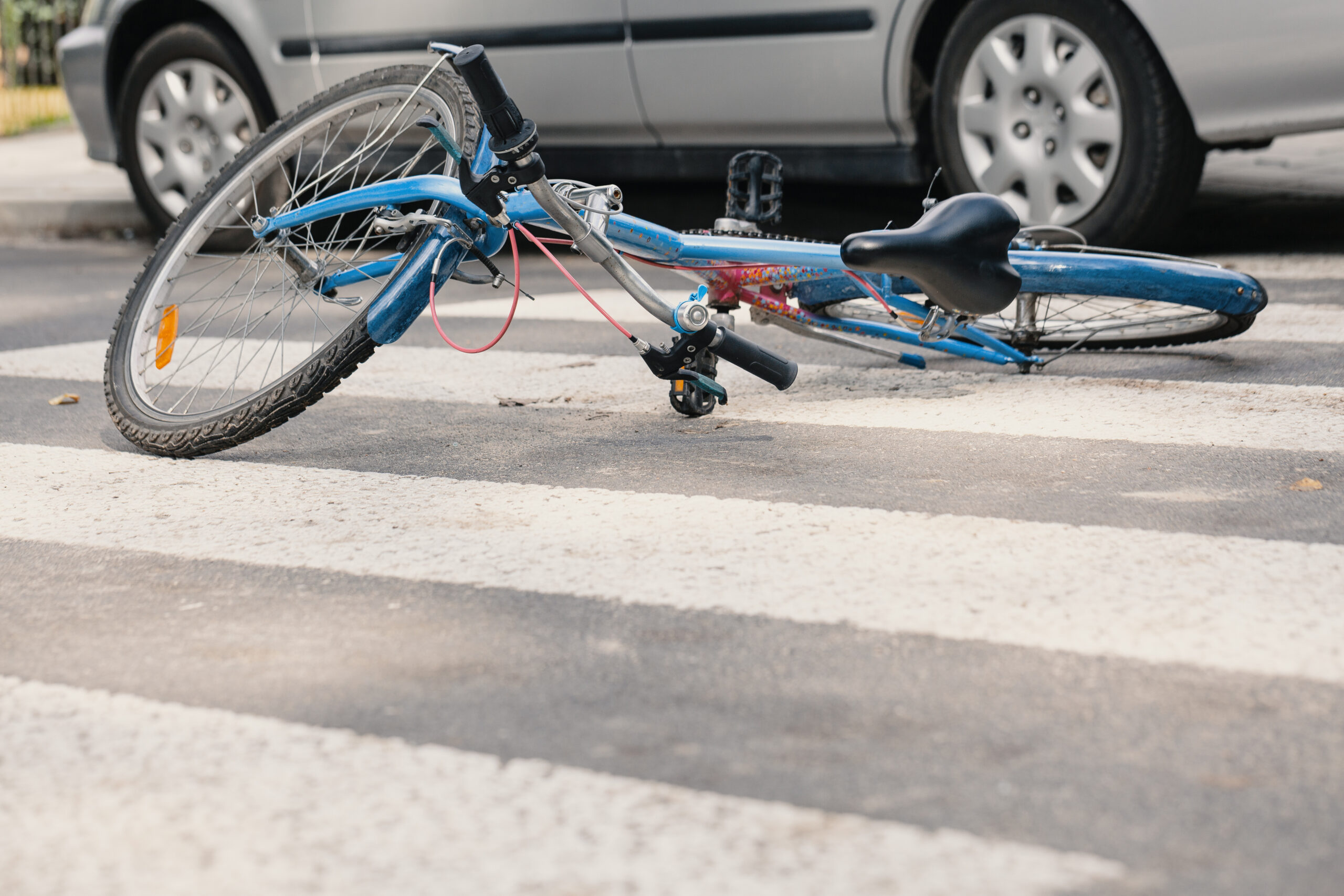
Accidents involving bicycles and motor vehicles can raise complex questions about liability. While many people assume drivers are always at fault in a bicycle accident, that is not always the case. Understanding how fault is determined when a bicycle collides with a vehicle in Florida can help clarify your rights and responsibilities after a crash.
How Fault Is Determined in a Bicycle-Car Collision
When analyzing a car-bike accident and who is at fault, Florida law looks at negligence. This means determining whether either party failed to act with reasonable care under the circumstances.
Both bicyclists and drivers must follow traffic laws. Cyclists generally have the same rights and duties as motorists, including obeying traffic signals, yielding when required, and riding in the correct direction of traffic. Drivers, in turn, must watch for cyclists and share the road safely.
Fault is assigned based on evidence such as:
- Police reports
- Witness statements
- Traffic camera footage
- Physical damage and accident reconstruction
Each case depends on its specific facts, so liability can vary widely.
Common Scenarios Where a Bicycle Hits a Car
If you are wondering what happens when a bicycle hits a car, the answer depends on how the collision occurred. There are several common scenarios where a cyclist may be partially or fully at fault.
For example, a bicyclist may be responsible if they:
- Run a red light or stop sign
- Ride against traffic
- Fail to yield at an intersection
- Suddenly swerve into a vehicle’s path
However, drivers can still share fault if they were speeding, distracted, or failed to take reasonable steps to avoid the crash. Even if the bicycle makes contact with the car, that does not automatically mean the cyclist is liable.
Can a Driver Still Be at Fault?
Many people ask, “Who is at fault in a car-bike accident when the bicycle is the one that strikes the vehicle?” The answer is that drivers can still be held responsible in certain situations.
For instance, a driver may be at fault if they:
- Make an unsafe turn in front of a cyclist
- Open a car door into a cyclist’s path (“dooring”)
- Fail to check blind spots before changing lanes
- Violate right-of-way rules
Even if the cyclist physically hits the car, the driver’s actions leading up to the crash may have created the dangerous situation.
Comparative Fault in Florida
Florida follows a modified comparative negligence rule. This means that fault can be shared between the parties involved. In cases involving if a bike hits a car who’s at fault, each party may be assigned a percentage of responsibility. Compensation is then reduced by that percentage.
For example:
- If a cyclist is 30% at fault, their recovery is reduced by 30%
- If a driver is more than 50% at fault, they may be responsible for most damages
This system allows for a more balanced outcome when both parties contributed to the accident.
What Happens If a Car Hits a Bike Instead?
Although this article focuses on bicycle-to-car impacts, the reverse situation—car hitting a bike—is more common and often more severe.
In those cases, drivers are frequently found at fault due to:
- Failing to yield to cyclists
- Distracted driving
- Speeding or reckless behavior
Because bicycles offer little protection, these crashes often result in serious injuries. However, the same negligence principles apply, and fault must still be proven based on evidence.
Steps to Take After a Bicycle-Car Accident
After any collision between a bicycle and a vehicle, taking the right steps can help protect your interests.
You should:
- Call 911 and report the accident
- Seek medical attention, even for minor injuries
- Exchange information with the other party
- Document the scene with photos and videos
- Speak with witnesses, if possible
Avoid making statements about fault at the scene, as liability may not be immediately clear.
Determining Fault in a Bicycle-Car Accident Is Complicated
Determining fault in a bicycle-car accident is rarely straightforward. Even when a cyclist hits a vehicle, liability depends on the actions of both parties leading up to the crash. Florida’s comparative negligence system allows fault to be shared, making it essential to carefully evaluate the evidence in each case.
This means that a jury might find both the driver and the cyclist partially responsible for the accident, and any damages awarded would be reduced by the percentage of fault assigned to the injured party.
For personalized guidance on your specific bicycle-car accident case, it is always best to consult with an experienced Florida personal injury attorney who can analyze the evidence and explain your legal options.
 People Powered Movement
1705 DeSales Street, NW
Washington D.C. 20036
People Powered Movement
1705 DeSales Street, NW
Washington D.C. 20036